Exportation of Minerals from Tanzania: Legal Requirements, Permits, and Compliance Guide
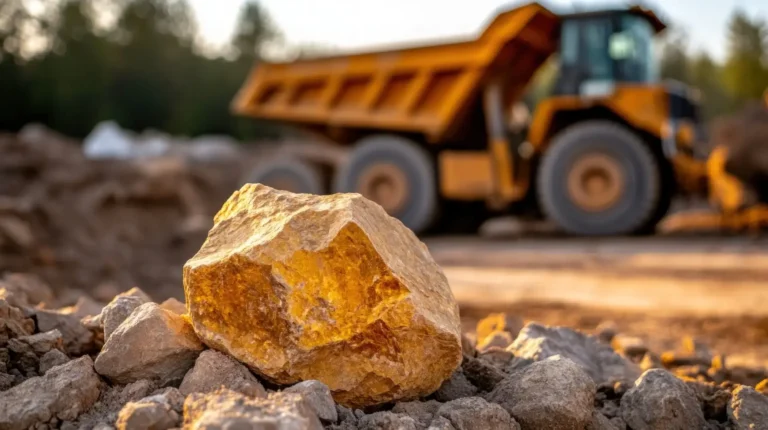
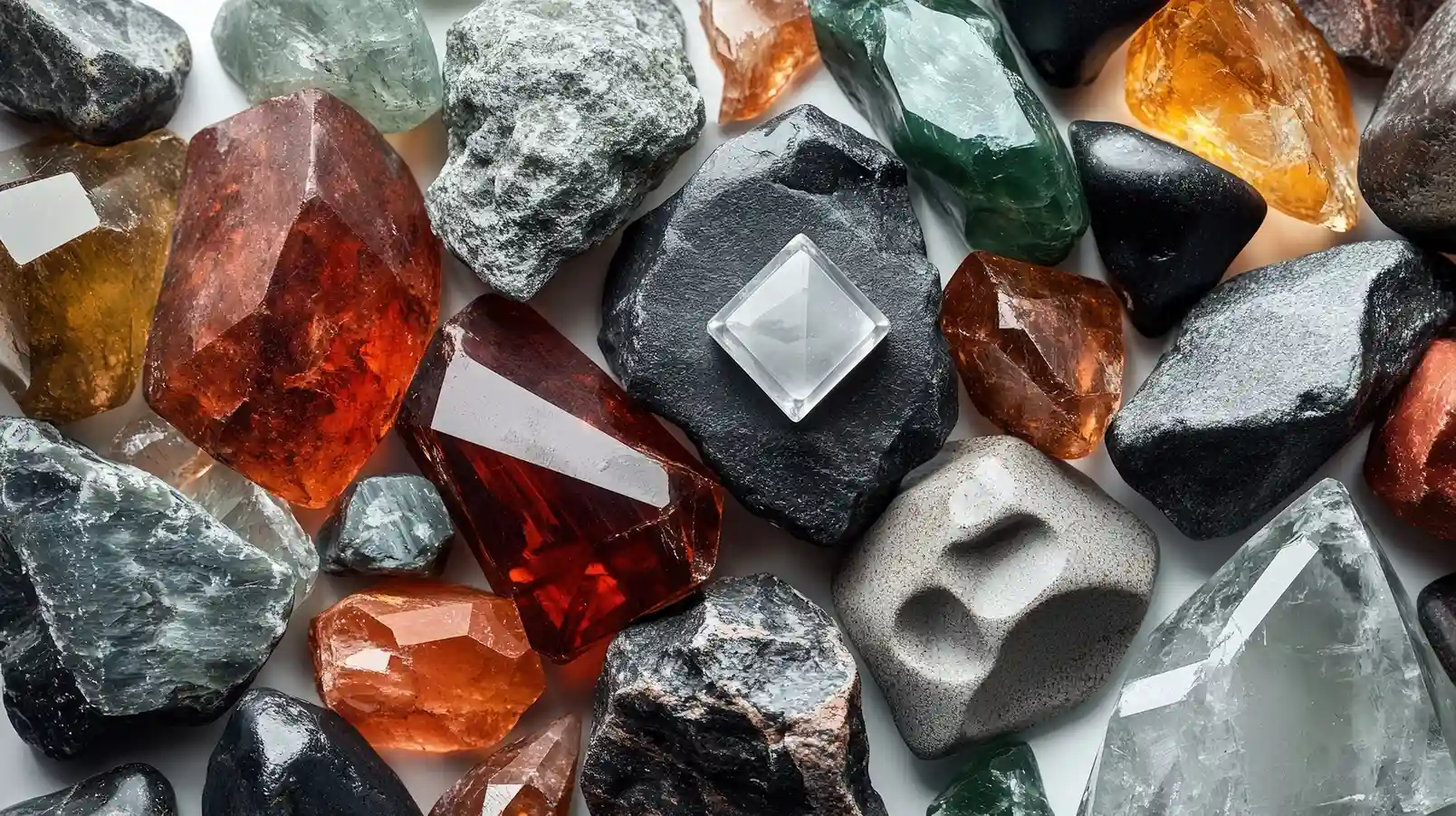
Mining remains one of Tanzania’s most strategic economic sectors, consistently ranking among the country’s top foreign-exchange earners. Tanzania is endowed with a wide range of minerals including gold, diamonds, tanzanite, graphite, nickel, copper, cobalt, coal, rare earths, gemstones, industrial minerals, and dimension stones, many of which are exported to international markets.
The exportation of minerals from Tanzania is tightly regulated to ensure transparency, value capture, and compliance with national resource-ownership principles. Any person or entity intending to export minerals must comply with the Mining Act, 2010 (as amended) and the Mining (Mineral Trading) Regulations, 2018, together with applicable tax, customs, and inspection requirements administered by the Mining Commission, Tanzania Revenue Authority (TRA), and Customs authorities.
This article explains the current legal process for exporting minerals from Tanzania, including eligibility, permits, royalties, and key compliance risks for foreign buyers and investors.

Legal Framework Governing Mineral Exportation
Exportation of minerals in Tanzania is principally governed by:
- The Mining Act, 2010 (as amended)
- The Mining (Mineral Trading) Regulations, 2018
- Related fiscal and customs laws administered by TRA
Under Tanzanian law, all minerals are the property of the United Republic of Tanzania, and no person may sell, trade, or export minerals without lawful authority.
Who Has the Right to Export Minerals?
The right to export minerals is not automatic. It is limited to specific categories of persons recognised under the mining laws.
Holders of Mineral Rights
The following mineral right holders are legally entitled to export minerals derived from their operations:
- Special Mining Licence holders
- Mining Licence holders
- Primary Mining Licence holders
- Processing Licence holders
- Smelting and Refining Licence holders
These licence holders may trade, sell, or export mineral products lawfully produced under their licences.
Licensed Mineral Dealers and Brokers
Licensed mineral dealers and brokers, issued with valid trading licences by the Mining Commission, may lawfully:
- Buy minerals from licensed miners
- Sell or dispose of minerals
- Export minerals, subject to export permits
Trading or exporting minerals without a valid dealer or broker licence is a criminal offence.
Non-Residents Exporting Minerals on Special Permit
Tanzanian law allows non-residents to export minerals only under strictly controlled circumstances.
(a) Tourists
A non-resident entering Tanzania on a tourist visa may export minerals:
- With a special export permit
- Where the total value does not exceed USD 1,000
- Upon payment of:
- USD 200 (for minerals up to USD 1,000)
- USD 2,000 (for minerals exceeding USD 1,000)
A tourist may export minerals not more than twice in a calendar year.
(b) Purchases at Gem Trade Fairs
Non-residents may export minerals legally purchased at authorised Gem Trade Fairs, subject to:
- Payment of applicable fees
- Payment of royalties
- Issuance of a specific export permit

Mineral Export Permit
What Is a Mineral Export Permit?
A Mineral Export Permit is an official authorization issued by the Government of Tanzania allowing a specific consignment of minerals to be exported.
No mineral consignment may leave Tanzania without:
- A valid export permit
- Proof of royalty and tax payment
- Official inspection and sealing
Application for Export Permit
An applicant must submit:
- Full details of the source of minerals
- Type, quality, and quantity of minerals
- Estimated export value
- Full details of the foreign buyer/importer
- Mode of shipment and destination
Applications are made using:
- Form MTF.1 – for minerals and mineral samples
- Form MBF.1 – for processed minerals
Upon approval, permits are issued using:
- Form MTF.2 – minerals and samples
- Form MBF.2 – processed minerals
Inspection, Weighing, and Sealing
Before export:
- Minerals must be examined and weighed by an authorised Mining Commission officer
- The consignment must be sealed at every opening
- Any broken seal automatically invalidates the permit
At the point of export, the permit must be:
- Surrendered to Customs or the Postmaster
- Forwarded to the issuing authority for record-keeping

Royalties Payable on Export of Minerals
Nature of Royalties
Royalties are payments made to the Government of Tanzania as the owner of all minerals, calculated on:
- Gross value of the mineral consignment
- Type of mineral being exported
Current Royalty Rates
| Mineral Category | Royalty Rate |
|---|---|
| Diamonds & Gemstones | 5% |
| Gold, Copper, Silver, Platinum | 4% |
| Tanzanite (Gem) | 1% |
| Industrial minerals (including building materials & salt) | 3% |
Royalties must be paid before export permits are issued.
Key Compliance Risks for Foreign Buyers
Foreign investors and buyers face elevated risks when exporting minerals from Tanzania, including:
- Fraud by unlicensed dealers
- Invalid or forged mining licences
- Export permits issued for unlawfully sourced minerals
- Confiscation of minerals at exit points
- Criminal liability for unlawful trading
Due diligence is essential before entering any mineral transaction.
Practical Compliance Guidance
Before exporting minerals from Tanzania, foreign parties should:
- Verify the mineral right or dealer licence with the Mining Commission
- Confirm the seller’s legal authority to export
- Ensure royalty and tax payments are properly assessed and receipted
- Confirm inspection, sealing, and export documentation
- Engage local legal counsel before funds are released
Final Words
Exportation of minerals from Tanzania is a highly regulated process designed to protect national resources while enabling lawful international trade. Only licensed persons may export minerals, and strict compliance with permit, royalty, and inspection requirements is mandatory.
Any person exporting minerals without lawful authority commits an offence punishable by:
- A fine of up to TZS 10 million
- Imprisonment for up to three years
- Or both
Foreign investors are strongly advised to conduct thorough legal due diligence and seek professional legal guidance before engaging in mineral export transactions.
Mak Africa Legal advises local and international clients on mineral transactions, export compliance, licensing verification, and dispute resolution within Tanzania’s mining sector.
Legal Disclaimer
This publication is provided for general information purposes only and does not constitute legal advice. Mak Africa Legal accepts no liability for reliance placed on this publication. Specific legal advice should be sought before acting on the information contained herein.
About the Author

Mr. Mudrikat A. Kiobya is the Founder and Managing Partner of MAK Africa Legal and a senior legal practitioner with over 30 years of experience. He holds a Master’s degree in International Law from the University of Nottingham (UK) and a Master’s degree in Intellectual Property Law from Africa University, Zimbabwe. Mr. Kiobya is an advocate of the High Courts of Tanzania Mainland and Zanzibar and a member of the Tanganyika Law Society, Zanzibar Law Society, and the East African Law Society. His practice focuses on corporate governance, mergers and acquisitions, intellectual property, corporate finance, real estate, and commercial law.